1️⃣ Introduction
Do you know that millions of women are living with PCOS — and many are told it’s “nothing serious” or just a cycle issue?
For some, it starts with irregular periods. For others, stubborn weight gain, acne that never clears, or the quiet worry of not getting pregnant. PCOS (Polycystic Ovary Syndrome) is now one of the most common hormonal conditions affecting women of reproductive age, and its prevalence is increasing globally.
What makes PCOS particularly challenging isn’t just the symptoms. It’s the delay in diagnosis, the confusion around treatment, and the uncertainty around healthcare access and treatment costs — especially when insurance coverage varies widely between countries.
Early diagnosis matters. Not because PCOS is dangerous on its own, but because untreated hormonal and metabolic imbalances can affect long-term health, fertility, and emotional wellbeing. Understanding PCOS clearly is the first step toward managing it confidently and affordably.
2️⃣ What Is PCOS?
PCOS stands for Polycystic Ovary Syndrome, a condition where the ovaries and hormones don’t work together as smoothly as they should.
In simple terms, PCOS involves:
- Hormonal imbalance (especially androgens, sometimes called “male hormones”)
- Irregular or absent ovulation
- Metabolic changes, often linked to insulin resistance
Despite the name, PCOS is not just about ovarian cysts. Many women with PCOS don’t have visible cysts at all. And many women with ovarian cysts don’t have PCOS.
Most importantly, PCOS is not just a period problem. It can affect:
- Blood sugar regulation
- Weight management
- Skin and hair health
- Fertility
- Mental health
That’s why PCOS is now viewed as a whole-body hormonal and metabolic condition, not a single gynecological issue.
3️⃣ Common Symptoms of PCOS
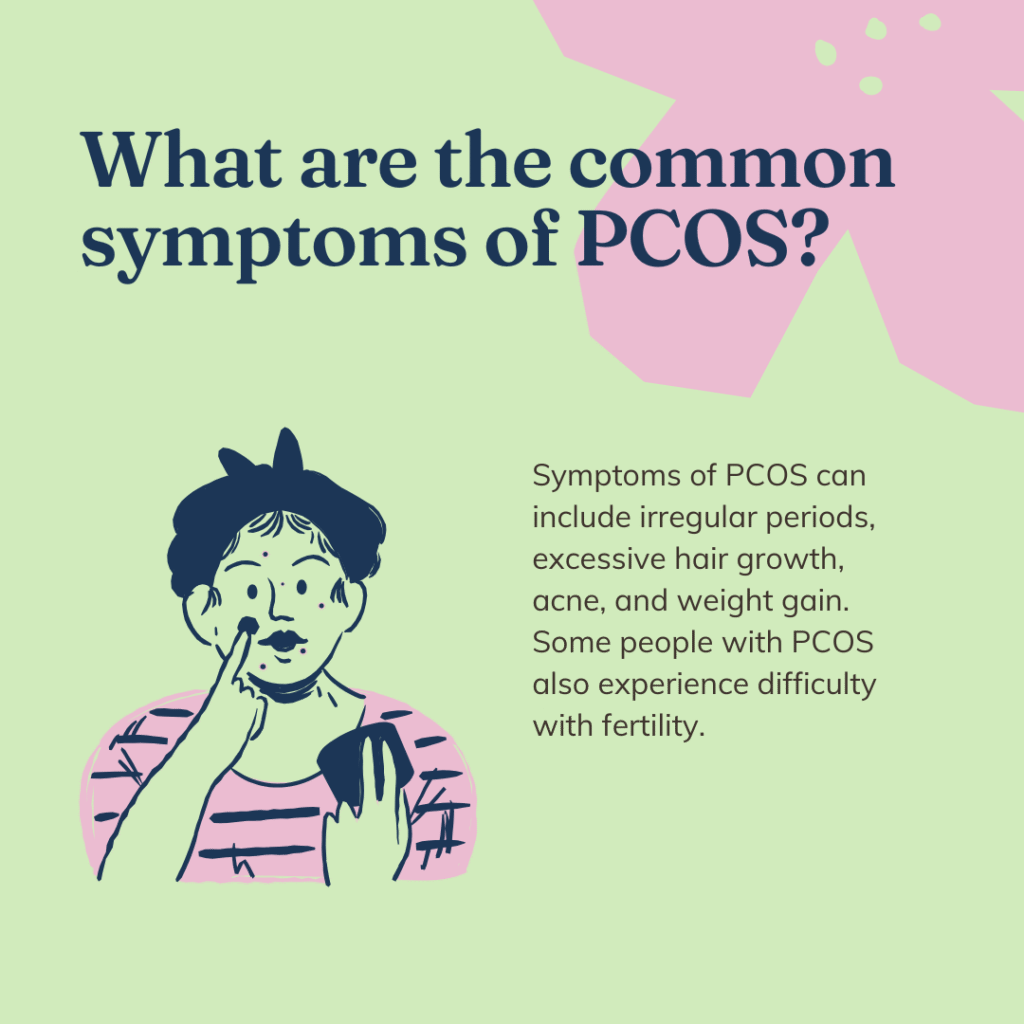
PCOS looks different from one woman to another. Some experience many symptoms; others only a few.
Irregular Periods
Cycles may be long, unpredictable, or absent. This often happens because ovulation isn’t occurring regularly.
Weight Gain or Difficulty Losing Weight
Especially around the abdomen, often linked to insulin resistance rather than lifestyle alone.
Acne and Excess Hair Growth
Hormonal imbalance can lead to persistent acne, facial hair, or hair thinning on the scalp.
Fertility Challenges
Irregular ovulation can make conception more difficult, though pregnancy is still very possible.
Mental Health Impact
Anxiety, low mood, and reduced self-esteem are common but often overlooked parts of PCOS.
PCOS is not “all in your head.” These symptoms are real, biological, and manageable with the right support.
4️⃣ What Causes PCOS?
There isn’t one single cause, but research points to several interconnected factors.
Genetics
PCOS often runs in families, suggesting a strong hereditary component.
Insulin Resistance
Many women with PCOS produce insulin but don’t use it effectively. This can increase androgen levels and disrupt ovulation.
Hormonal Imbalance
Elevated androgens interfere with egg development and release.
Lifestyle and Environmental Factors
Stress, sleep disruption, and diet quality don’t cause PCOS — but they can influence symptom severity.
Understanding the cause helps guide treatment. PCOS management isn’t one-size-fits-all.
5️⃣ PCOS and Fertility: What Women Should Know
One of the most common fears after a PCOS diagnosis is: “Will I ever get pregnant?”
PCOS affects ovulation, which can make timing conception harder. However, many women with PCOS conceive naturally, and others do so with medical support.
What matters most:
- Individual hormone patterns
- Metabolic health
- Timely intervention
Modern fertility medicine has made PCOS-related infertility one of the most treatable causes of ovulatory issues. Hope is realistic, and fear-based narratives are outdated.
6️⃣ Treatment Options for PCOS (2026 Update)
There is no single “cure” for PCOS, but symptoms can be effectively managed.
Lifestyle-Based Approaches
Often the foundation of care:
- Balanced nutrition (not extreme dieting)
- Regular movement
- Stress and sleep management
Medications
Depending on symptoms:
- Hormonal contraceptives to regulate cycles
- Insulin-sensitizing medications
- Anti-androgen treatments for skin and hair symptoms
Fertility Treatments
- Ovulation induction medications
- Assisted reproductive techniques when needed
Hormonal Therapy
Used carefully to balance estrogen and progesterone levels.
Emerging Treatments
Research is ongoing into regenerative and metabolic therapies. These are promising but should always be discussed with a qualified specialist.
7️⃣ PCOS Treatment Costs & Insurance Coverage
(Coverage and pricing vary by provider, location, and policy. Always verify with your insurer.)
🇺🇸 United States
- Doctor consultations: Typically private, ranging from moderate to high cost
- Hormone tests and ultrasounds: Often covered partially
- Medications: Coverage depends on plan tier
- Fertility treatments: Frequently excluded or limited
Private insurance dominates, making policy review essential.
🇬🇧 United Kingdom
- GP visits and basic PCOS management: Covered by the NHS
- Fertility treatment access: Subject to eligibility criteria and regional rules
- Private clinics: Faster access but higher out-of-pocket cost
🇨🇦 Canada
- Doctor visits and diagnostics: Covered under provincial healthcare
- Medications: Varies by province and private drug plans
- Fertility treatments: Often privately funded, with limited public support
8️⃣ Can Insurance Cover PCOS Treatment?
Insurance may cover
- GP or specialist consultations
- Blood tests and ultrasounds
- Medications for hormonal regulation
It usually does not fully cover
- Fertility treatments
- Advanced assisted reproduction
- Some long-term medications
Reading policy wording carefully matters. Many women assume coverage — only to discover exclusions later.
9️⃣ Frequently Asked Questions
Is PCOS curable?
PCOS isn’t “curable,” but it is very manageable with the right plan.
Can women with PCOS get pregnant naturally?
Yes. Many do, especially with proper cycle tracking and metabolic support.
Is PCOS covered by insurance?
Basic care often is. Fertility treatments vary widely.
Does PCOS worsen with age?
Symptoms can change over time. Early management often improves long-term outcomes.
Can lifestyle changes really help PCOS?
Yes — when realistic, consistent, and personalized.
Conclusion
PCOS can feel overwhelming at first — not because it’s dangerous, but because it’s misunderstood. With accurate information, compassionate care, and realistic expectations, women with PCOS can lead healthy lives, manage symptoms effectively, and make confident fertility decisions.
If you suspect PCOS or are struggling with symptoms, consider consulting a licensed healthcare or fertility specialist near you. Early clarity often brings lasting relief.
Author Bio
Written by a medical health content writer and research specialist with experience creating patient-focused, evidence-based health and insurance content for US, UK, and Canadian audiences.
Disclaimer: This article is for informational purposes only and does not replace professional medical advice.