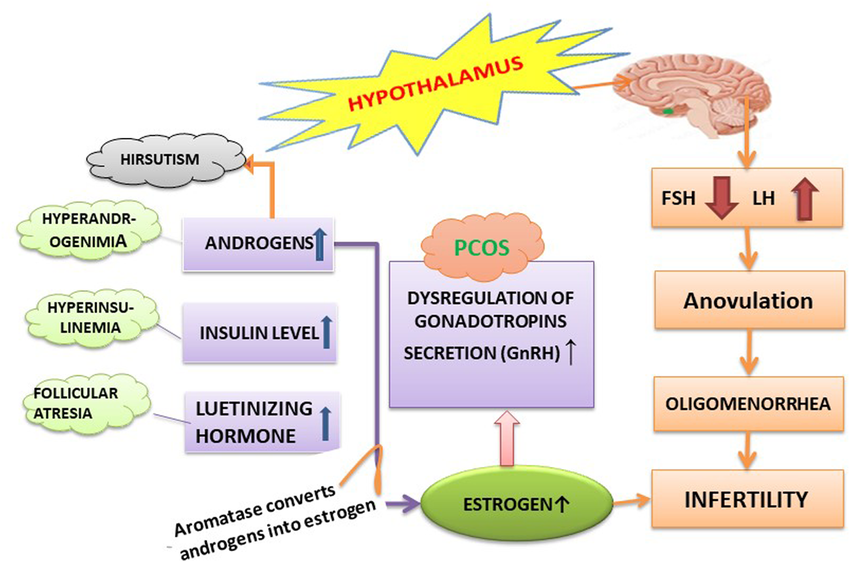
If you’ve been living with PCOS for a while, you probably know this pattern too well: try something new, feel hopeful for a few months, then feel disappointed when symptoms return—or change shape entirely. Diets work… until they don’t. Medications help one symptom but worsen another. Advice online often sounds confident but contradicts itself.
That confusion is normal. PCOS is complex, and most women are never given a clear, honest overview of their options.
This guide is written to change that.
In 2026, PCOS treatment is no longer about “fixing” one hormone or following one strict plan. It’s about personalized care, realistic expectations, and understanding how lifestyle, medication, fertility treatment, and insurance actually fit together—whether you live in the US, UK, or Canada.
No miracle promises. Just evidence-based clarity.
Why PCOS Treatment Is Not One-Size-Fits-All
PCOS doesn’t look the same in every woman—and neither should treatment.
Some women struggle most with irregular periods.
Others with weight gain or insulin resistance.
For many, fertility, acne, hair loss, anxiety, or burnout take center stage.
PCOS treatment usually targets goals, not the condition as a whole:
- Regulating cycles
- Improving ovulation
- Reducing metabolic risk
- Managing visible symptoms
- Protecting long-term health
This is why “copy-paste” advice often fails. What helps one woman may do very little—or even harm—another.
Lifestyle-Based PCOS Treatments (First-Line Care)


Lifestyle care remains the foundation of PCOS treatment in 2026—not because it’s trendy, but because it works across symptoms when done realistically.
Nutrition
Rather than strict “PCOS diets,” current guidance focuses on:
- Blood sugar stability
- Regular meals with protein, fiber, and fats
- Reducing extreme restriction
Consistency matters more than perfection. Sustainable eating improves insulin sensitivity, inflammation, and hormone signaling over time.
Exercise
Exercise helps PCOS only when it supports insulin sensitivity, not when it exhausts the body.
- Strength training and moderate cardio are most effective
- Overtraining can worsen hormonal stress
- Intensity matters more than viral trends
Stress & Sleep
Chronic stress raises cortisol, which interferes with ovulation and weight regulation.
- Sleep quality is not optional—it’s treatment
- Small, realistic stress changes outperform drastic routines
Lifestyle care doesn’t “cure” PCOS—but it often reduces the need for higher-cost medical interventions later.
Medications Used to Treat PCOS


Medication is often used when symptoms persist despite lifestyle changes—or when specific goals require it.
Hormonal Medications
Used mainly for cycle regulation and endometrial protection.
- Can improve predictability and reduce heavy bleeding
- Do not treat insulin resistance
- Side effects vary widely by individual
Insulin-Related Treatments
These target the metabolic root of PCOS.
- Most helpful for women with insulin resistance
- May improve cycles, ovulation, and weight response
- Not necessary for every PCOS patient
Acne & Hair Treatments
These focus on quality of life.
- Target androgen-related symptoms
- Often combined with other treatments
- Results take time and consistency
Medication works best when chosen strategically, not automatically.
PCOS and Fertility Treatments
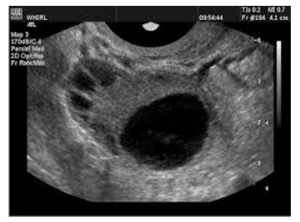

Many women with PCOS conceive naturally—but others need medical help.
Ovulation Induction
Often the first fertility-focused step.
- Helps stimulate regular ovulation
- Requires monitoring
- Success depends on multiple factors
When Fertility Treatment Becomes Necessary
If ovulation induction fails or other factors exist, additional treatments may be recommended.
Emotional & Financial Considerations
Fertility treatment is rarely just medical.
- Emotional stress is common
- Costs vary widely by country
- Success is never guaranteed
Clear expectations protect mental health as much as finances.
Emerging & New PCOS Treatments (2026 Outlook)
Research in 2026 is focusing on:
- Better insulin-sensitizing approaches
- Inflammation-targeted therapies
- Personalized hormonal care
Some options look promising—but many remain experimental. A cautious, evidence-first approach protects patients from expensive hype.
🔥 PCOS Treatment Costs & Insurance Coverage
This is where confusion—and frustration—often peaks.
🇺🇸 United States
- Diagnosis and ongoing care can be costly
- Private insurance may cover testing and medications
- Fertility treatment is often excluded or partially covered
Coverage depends heavily on employer plans and state regulations.
🇬🇧 United Kingdom
- The NHS provides structured diagnostic and treatment pathways
- Referral timelines can be slow
- Private care is often chosen for faster fertility access
🇨🇦 Canada
- Provincial healthcare covers basic diagnosis
- Medications and fertility treatment often involve out-of-pocket costs
- Coverage varies significantly by province
PCOS Treatment Without Insurance — What to Expect
Without coverage, costs usually include:
- Diagnostic testing
- Ongoing medication
- Fertility-related procedures
Planning ahead and prioritizing treatments can prevent financial overwhelm.
How Early PCOS Treatment Reduces Long-Term Costs
Early care lowers risks of:
- Type 2 diabetes
- Cardiovascular disease
- Advanced fertility intervention
- Long-term mental health strain
From an insurance perspective, early PCOS management is cost prevention.
FAQs About PCOS Treatment
What is the best treatment for PCOS?
There is no single “best” treatment—only the best approach for your symptoms and goals.
Can PCOS be treated naturally?
Lifestyle care can significantly reduce symptoms, but some women still need medication.
How long does PCOS treatment take?
PCOS is managed long-term, not cured quickly.
Is PCOS treatment covered by insurance?
Basic care often is; fertility treatment coverage varies widely.
Can symptoms return after stopping treatment?
Yes. PCOS requires ongoing management.
Conclusion (Reassuring, Trust-Building)
PCOS is manageable. It is not a life sentence—and it is not your fault.
The most effective treatment plans in 2026 are informed, flexible, and personalized. When you understand your options, costs, and coverage, decisions become less overwhelming and more empowering.
👉 Speak with a licensed healthcare provider
👉 Review your insurance coverage carefully
👉 Read next: Affordable Fertility Treatments: NHS vs Private Options
You deserve clarity—not confusion—on your PCOS journey.