Hair loss affects millions of men and women in the U.S., impacting confidence and quality of life. For many, hair transplants offer a permanent solution — but one of the biggest questions before booking is, “How much will it cost?”
In 2025, hair transplant procedures are more advanced, natural-looking, and accessible than ever. However, prices can vary significantly depending on the technique, the number of grafts needed, and the clinic you choose.
This guide breaks down average hair transplant costs, what affects them, and how to find the right surgeon for your needs.

What Is a Hair Transplant?
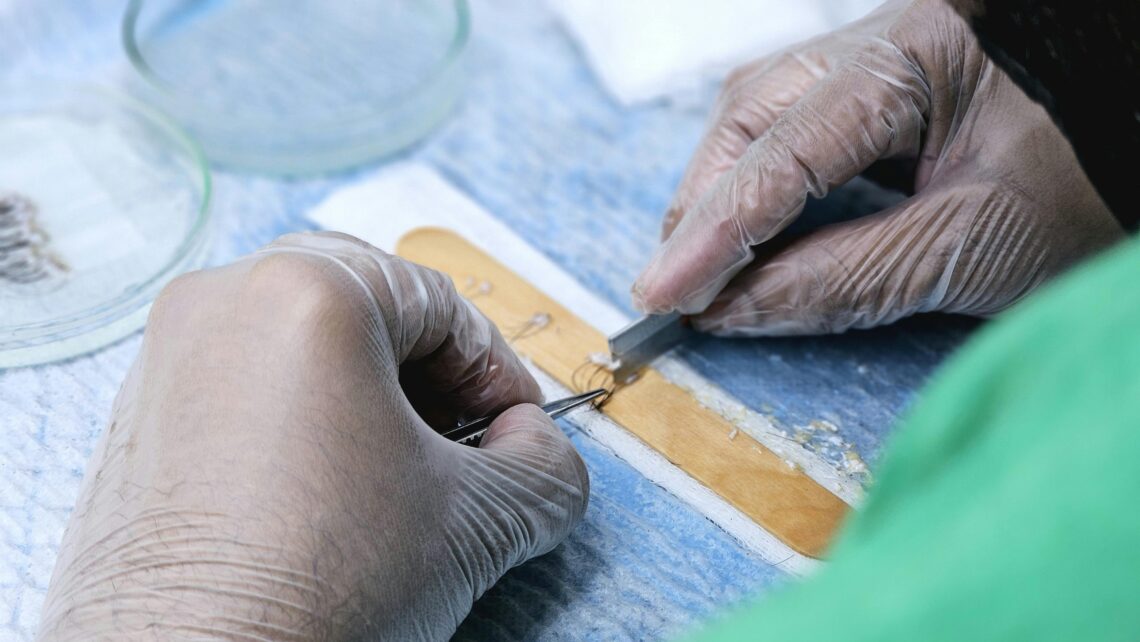
A hair transplant is a surgical procedure that moves hair follicles from a donor area (usually the back or sides of the head) to thinning or bald areas.
Two main techniques are used:
- FUE (Follicular Unit Extraction) – Individual follicle extraction; minimal scarring and faster recovery.
- FUT (Follicular Unit Transplantation) – Strip of scalp removed; higher graft yield but linear scar.
Who’s a good candidate?
- Men or women with stable hair loss
- Sufficient donor hair available
- Realistic expectations for density and coverage
Average Hair Transplant Costs in 2025
According to 2025 data from U.S. clinics, here’s what you can expect:
| Procedure | Cost Range | Cost Per Graft | Best For |
|---|---|---|---|
| FUE | $5,000 – $15,000 | $3 – $8 | Minimal scarring, short hair styles |
| FUT | $4,000 – $12,000 | $2 – $6 | Larger coverage, more grafts |
| Robotic FUE (ARTAS) | $6,000 – $18,000 | $4 – $10 | High precision, tech-assisted harvesting |
National average: $4,000 – $15,000 for most procedures.
💡 Tip: Most clinics quote based on the number of grafts, and each graft contains 1–4 hairs.
Cost by Number of Grafts
| Grafts Needed | Approx. Hair Coverage | Cost Range (FUE) |
|---|---|---|
| 1,000 grafts | Receding hairline | $3,000 – $8,000 |
| 2,000 grafts | Moderate thinning | $6,000 – $12,000 |
| 3,000 grafts | Advanced baldness | $9,000 – $18,000 |
Factors Affecting Hair Transplant Cost
- Number of Grafts Required
More grafts = higher total cost. - Surgeon’s Experience & Reputation
Board-certified, well-reviewed surgeons often charge more. - Technique Used
Robotic FUE is usually more expensive than manual FUE or FUT. - Clinic Location
Procedures in major cities (e.g., New York, Los Angeles) tend to cost more than in smaller cities. - Additional Costs
- Pre-op blood tests: $50–$150
- Post-op medications: $100–$200
- Follow-up visits: $100–$300 per session

Financing & Insurance Coverage
- Insurance:
Hair transplants are considered cosmetic and are not covered by health insurance. - Financing Options:
- Medical credit cards (e.g., CareCredit)
- Personal loans
- In-house clinic payment plans
💡 Some clinics offer 0% interest financing for qualified patients.
Choosing the Right Hair Transplant Clinic
When investing thousands in your appearance, choose wisely.
Checklist for Selecting a Clinic:
- Board-certified hair restoration surgeon (ABHRS certification recommended)
- Before-and-after patient photos
- Transparent pricing
- Positive independent reviews
- Clear explanation of recovery and risks
Top U.S. Hair Transplant Clinics (2025)
(For reference — you can monetize by linking to these providers or their competitors via AdSense ads.)
- Bosley – Nationwide, experienced surgeons, financing options
- HairClub – Multiple hair restoration methods
- Bernstein Medical (NYC) – Specializes in FUE & FUT
- LA Hair Clinic – High-profile clientele, advanced tech
A hair transplant can be life-changing, but understanding the true costs helps you plan and avoid surprises. In 2025, prices range widely depending on graft count, technique, and surgeon expertise. The best investment? A qualified, experienced surgeon who prioritizes natural results and patient safety.

If you’re considering a transplant, consult at least two clinics, request a graft-based quote, and compare financing options.
❓ FAQs
Q1. How much does a 2,000 graft hair transplant cost?
A: In 2025, expect $6,000–$12,000 for FUE and $4,000–$10,000 for FUT.
Q2. Which is cheaper — FUE or FUT?
A: FUT generally costs less per graft, but FUE has faster recovery and minimal scarring.
Q3. Is a hair transplant permanent?
A: Yes. Transplanted hairs are typically resistant to pattern baldness.
Q4. Does insurance cover hair transplants?
A: No, they are classified as cosmetic procedures.
Q5. Can I finance my hair transplant?
A: Yes. Many clinics offer financing plans, often with 0% interest.